Why Mental Energy Is A Limited Poker Resource
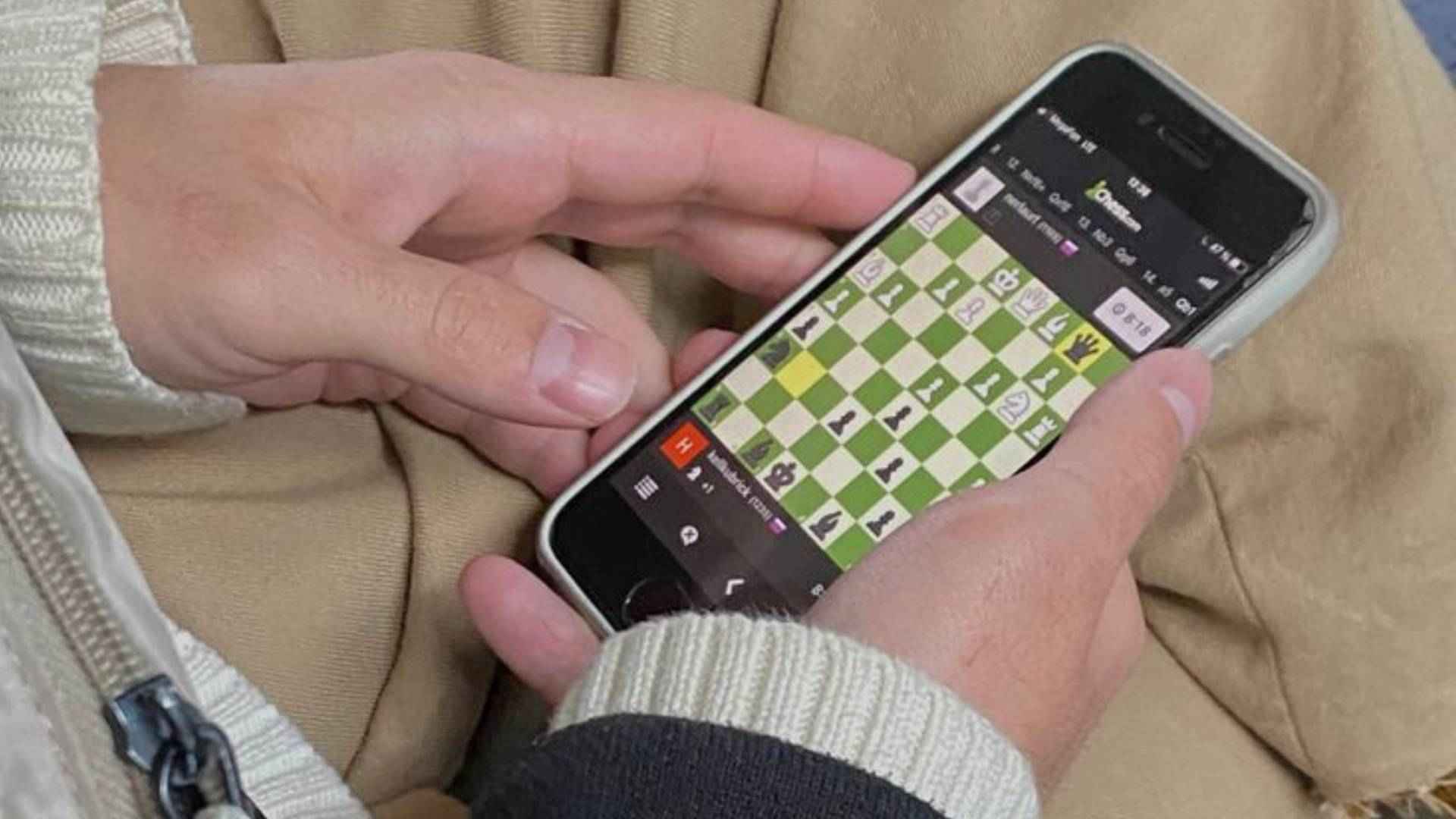
Poker is often celebrated as a test of strategic sharpness and mathematical calculation, but few players realize how heavily performance relies on finite cognitive stamina. Every decision made at the table consumes a portion of your mental fuel, gradually draining your capacity to process complex information as a session progresses. Recognizing mental energy as a precious, limited resource is fundamental for anyone looking to maintain a high level of play over extended periods.
The Mechanisms of Cognitive Fatigue
The human brain relies on executive functions to evaluate pot odds, monitor opponent behavior, and control emotional impulses during intense gameplay. As hours pass, continuous focus leads to decision fatigue, which slows down cognitive processing speed and reduces mental sharpness. Understanding this physiological limit helps players anticipate when their analytical abilities will begin to decline.
When cognitive reserves run low, the mind naturally seeks shortcuts to conserve remaining effort. This shift often results in default plays, missed details, and a reduced ability to calculate complex strategic outcomes. Recognizing these subtle signs of fatigue early allows competitors to take necessary breaks before costly mistakes occur.
How Energy Depletion Leads to Unforced Errors
A depleted mind struggles to maintain emotional regulation, making players far more susceptible to frustration and impulse-driven actions. When mental stamina is exhausted, logical reasoning yields to emotional reactions, often turning minor setbacks into major downswings. Protecting your cognitive energy is therefore a direct defense against going on tilt during high-pressure hands.
In fast-paced digital gaming environments, rapid decision-making can accelerate cognitive strain much faster than traditional live games. Players navigating online platforms via m88 slot login must remain aware of how continuous interaction impacts their overall focus and reaction time. Managing your mental workload in these settings ensures that strategic judgment remains clear throughout every hand.
Strategies to Preserve Decision-Making Stamina
Preserving mental energy requires structuring your playing routine to include deliberate rest intervals and clear personal boundaries. Taking short, consistent breaks away from the screen or table gives the brain a chance to reset and restore focus. Furthermore, automating basic strategic routines frees up valuable cognitive bandwidth for high-stakes, complex scenarios.
Proper physical care, including adequate sleep, proper hydration, and balanced nutrition, plays an equally essential role in sustaining brain power. A well-rested player processes information more efficiently and resists stress far better than an exhausted one. Treating cognitive stamina with the same discipline as strategic study creates a lasting edge over less prepared opponents.
Measuring the Long-Term Impact on Win Rates
Sustaining high-quality decisions over thousands of hands is what ultimately separates consistent winners from recreational players. By respecting mental energy limits and ending sessions before severe fatigue sets in, players protect their overall win rate from unnecessary losses. Managing your cognitive resources effectively transforms temporary strategic knowledge into reliable, long-term success.